
 By Admin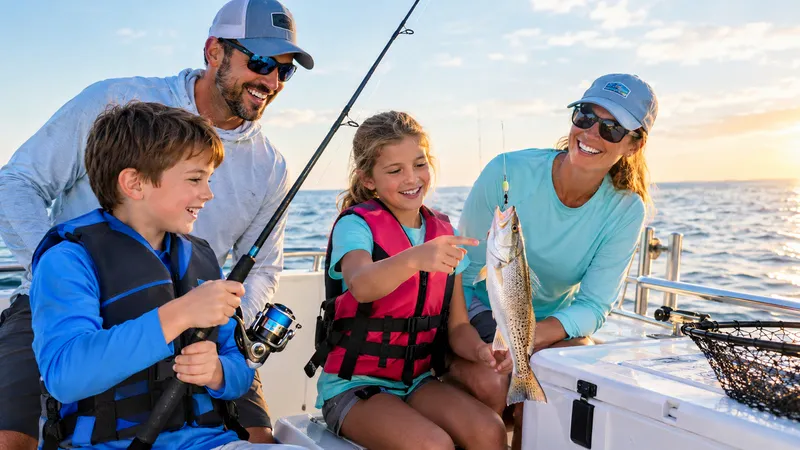
A Gulf Coast fishing trip can be much more than catching fish. For families, it can become a chance to spend time outdoors, teach children about marine life, and enjoy a slower day away from screens and busy schedules. Fishing Family ThunderOnTheGulf is best approached as a family-focused Gulf Coast fishing experience, where comfort, safety, simple equipment, and shared memories matter as much as the size of the catch.
Because the phrase appears online in several contexts, travelers should verify the specific event, charter, or destination they plan to visit rather than assuming it represents one official organization.
What Makes Gulf Coast Fishing Great for Families?
The Gulf Coast offers different ways to fish, from piers and shorelines to inshore trips and offshore charters. That variety makes it easier to match the outing to your family’s experience level.
For young children, a short trip with easy access can work better than spending an entire day offshore. Older children and teenagers may enjoy longer trips where they can learn casting, baiting, knot tying, and fish identification.
The best family trip is not necessarily the one with the biggest fish. It is the one where everyone stays comfortable and interested.
Choose the Right Fishing Experience
Before booking, decide what type of outing fits your group.
Shore or pier fishing:
This is often the simplest starting point. Families can fish for a few hours without committing to a boat trip.
Inshore fishing:
Bays, estuaries, and protected coastal waters can provide a manageable introduction for beginners.
Charter fishing:
A licensed captain can handle navigation and fishing logistics while the family focuses on learning and enjoying the trip. Before booking, ask whether the charter supplies rods, tackle, bait, licenses, and fish cleaning.
For Fishing Family ThunderOnTheGulf, the most important decision is matching the trip length and water conditions to the youngest person’s comfort level.
When Should a Family Go Fishing?
Weather should influence your decision as much as the fishing season. Wind, thunderstorms, heat, and changing sea conditions can quickly affect a family’s experience.
Spring and fall are often attractive periods for outdoor trips because temperatures can be more comfortable, but local conditions vary. Check the marine forecast shortly before departure instead of relying only on a seasonal assumption.
Also check current fishing regulations. Gulf rules can change by species, location, season, and whether you are fishing in state or federal waters. NOAA Fisheries maintains current Gulf regulations and seasonal closures.
Family Fishing Gear Checklist
You do not need expensive equipment for a successful family outing.
Pack:
- Child-appropriate fishing rods and reels
- Simple tackle and suitable bait
- Pliers and line cutters
- Sunscreen and sun-protective clothing
- Drinking water and easy snacks
- Hats and sunglasses
- Towels and spare clothes
- Basic first-aid supplies
- Phone or camera in a waterproof case
- Proper life jackets for boat trips
If you book a charter, confirm what equipment the operator provides before buying anything.
Safety Comes Before the Catch
Water safety deserves special attention when children are involved.
The U.S. Coast Guard recommends wearing an approved life jacket while underway and requires children under 13 to wear an appropriate approved life jacket on a vessel underway, subject to certain exceptions and state requirements. Life jackets should fit the wearer properly and remain accessible.
Before leaving the dock, explain a few simple rules to children: stay seated when instructed, never run on the boat, keep hands away from fishing hooks, and listen to the captain or responsible adult.
A short safety briefing can prevent confusion later.
Make Fishing Interesting for Kids
Children do not need to catch fish every five minutes to enjoy the experience.
Give them small jobs. One child can help identify fish, another can watch the bobber, and an older child can learn how to prepare a simple rig under adult supervision.
You can also turn the trip into a learning activity. Look for seabirds, shells, marine plants, and different water conditions. Ask children what they notice and let them take photographs.
With Fishing Family ThunderOnTheGulf, success should include the experience itself—not just the number of fish brought home.
Understand Licenses and Local Rules
Fishing regulations depend on the state and location. Do not assume that a license from one state covers another.
For example, Florida requires recreational saltwater fishing licenses for many anglers, while certain exemptions apply, including some children and anglers fishing from properly licensed for-hire vessels.
Alabama also requires saltwater recreational licenses for people fishing or possessing fish in its saltwater areas, with exemptions for certain age groups.
Before your trip, check the official wildlife agency for the state where you will fish. Also verify size limits, bag limits, closed seasons, and species-specific requirements.
A Simple Family Fishing Day Plan
A half-day outing can be easier for first-time families.
7:00 AM: Prepare breakfast and pack water, snacks, sunscreen, and gear.
8:00 AM: Arrive at the marina or fishing location and review safety rules.
8:30 AM: Begin fishing and give children simple responsibilities.
10:30 AM: Take a snack and hydration break.
11:00 AM: Continue fishing or explore the shoreline.
12:00 PM: Return, clean up equipment, and enjoy lunch.
This flexible schedule leaves room for weather changes, tired children, and unexpected delays.
Final Thoughts
A successful Gulf Coast family fishing trip does not require expensive equipment or expert-level skills. Good planning, suitable locations, realistic expectations, and careful attention to safety can make the experience enjoyable for beginners and experienced anglers alike.
Fishing Family ThunderOnTheGulf works best as a practical idea: choose the right setting, prepare for the conditions, keep children involved, and focus on spending quality time together.
Before heading out, confirm the specific destination or event details, local licenses, fishing regulations, weather, and charter policies. The fish may be unpredictable, but a well-planned family adventure can still create memories worth bringing home. For more information, visit our website.