
 By Admin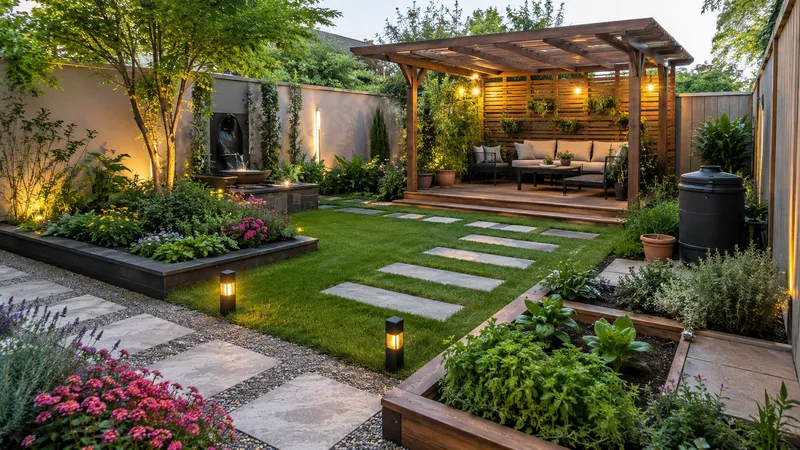
Modern gardening has evolved into something far beyond planting flowers or maintaining a green lawn. Today, it represents a lifestyle upgrade—blending sustainability, design thinking, and practical outdoor living. This Garden Guide Homenumental offers a structured, research-backed, and real-world approach to building a modern garden that is beautiful, low-maintenance, and environmentally responsible.
Understanding Modern Garden Design Principles
Modern gardens focus on three essential pillars:
- Simplicity in layout
- Sustainability in resource use
- Functionality for daily living
Instead of dense, traditional planting styles, modern gardens prioritize open space, clean geometry, and intentional planting.
Urban landscaping trends show that homeowners increasingly prefer gardens that require less maintenance while still improving property value and outdoor comfort.
Step 1: Analyze Your Outdoor Environment Like a Professional
Before designing anything, study your outdoor space carefully. This step determines long-term success.
Key factors to evaluate:
- Sunlight patterns throughout the day
- Soil type and drainage conditions
- Wind exposure and natural barriers
- Available usable space
For example, areas receiving 6–8 hours of sunlight daily support herbs and flowering plants, while shaded corners work better for ferns or ivy-based greenery.
Step 2: Soil Health and Water Retention (Data-Backed Insight)
Healthy soil directly impacts plant survival, growth speed, and water efficiency.
Data Source: Environmental Protection Agency (EPA) Solid Waste Analysis
Soil enriched with organic matter can significantly improve moisture retention and reduce household green waste when composting practices are adopted.
Studies indicate that healthy soil can retain up to 3x more water than degraded soil, reducing irrigation dependency and improving plant resilience.
Practical application:
- Add compost regularly
- Mix organic manure into topsoil
- Use mulch to reduce evaporation
Healthy soil acts like a natural water reservoir, reducing both effort and cost.
Step 3: Design a Functional Garden Layout
A modern garden should feel organized, not random. Think of it as zoning a living space.
Core garden zones:
| Zone Type | Purpose | Example Elements |
|---|---|---|
| Relaxation Zone | Leisure and seating | Chairs, pergola, hammock |
| Green Zone | Plant cultivation | Flower beds, shrubs |
| Utility Zone | Storage and composting | Shed, compost bin |
| Movement Zone | Navigation paths | Stone or gravel walkways |
A structured layout improves flow, usability, and visual harmony.
Step 4: Smart Plant Selection for Long-Term Growth
Choosing the right plants determines whether your garden thrives or struggles.
Plant Selection Breakdown Table
| Plant Type | Water Needs | Best Use Case | Maintenance Level |
|---|---|---|---|
| Lavender | Low | Borders, fragrance zones | Low |
| Boxwood | Low | Hedging, structure | Low |
| Marigold | Medium | Color accents, pest control | Medium |
| Sunflower | Medium | Visual impact | Medium |
| Mint | High | Kitchen herb garden | Medium |
| Ornamental grasses | Low | Modern aesthetics | Very Low |
Instead of focusing only on appearance, prioritize climate compatibility and water efficiency.
Step 5: Build a Strong Soil Foundation for Sustainability
Soil is not just dirt—it is a living ecosystem.
Improve soil quality by:
- Adding compost monthly
- Using natural fertilizers
- Avoiding chemical overuse
- Applying mulch layers
Mulching reduces evaporation and keeps roots stable during temperature changes.
Step 6: Smart Irrigation Systems for Water Efficiency
Water management plays a major role in modern gardening success.
Data Insight:
Drip irrigation systems can reduce water usage by up to 50% compared to traditional sprinklers.
Irrigation Comparison Table
| System Type | Efficiency | Cost Level | Best For |
|---|---|---|---|
| Drip Irrigation | High | Medium | Vegetable & flower beds |
| Soaker Hoses | Medium | Low | Small gardens |
| Sprinklers | Low | Low | Lawns |
| Smart Sensors | Very High | High | Advanced gardens |
Drip irrigation remains the most efficient solution for modern residential gardens.
Step 7: Hardscaping for Structure and Style
Hardscaping adds structure to soft green landscapes.
Common features:
- Stone pathways
- Wooden decks
- Garden walls
- Pergolas
- LED garden lighting
For example, a gravel pathway between plant beds creates contrast and improves accessibility while maintaining a clean aesthetic.
Lighting also extends garden usability into nighttime hours.
Step 8: Seasonal Garden Maintenance Strategy
A garden changes with the seasons, and maintenance should adapt accordingly.
Seasonal Breakdown:
Spring:
- Refresh soil with compost
- Plant seasonal flowers
- Trim damaged branches
Summer:
- Increase watering frequency
- Monitor pests closely
- Maintain plant shape
Autumn:
- Collect fallen leaves for compost
- Prepare soil for winter
Winter:
- Protect sensitive plants
- Reduce irrigation
- Maintain tools
Consistency ensures long-term plant health.
Step 9: Sustainable Gardening Practices
Sustainability is no longer optional—it is essential for modern landscapes.
Eco-friendly practices include:
- Rainwater harvesting
- Composting kitchen waste
- Using native plants
- Avoiding chemical pesticides
Data Source: Environmental Protection Agency (EPA) Solid Waste Analysis
Household composting can reduce organic waste by up to 30%, helping reduce landfill pressure while improving soil fertility naturally.
Sustainable gardening lowers costs and supports environmental balance.
Step 10: Personalize Your Garden Design
A modern garden should reflect personality, not just design rules.
Personalization ideas:
- Minimalist stone arrangements
- Color-themed flower sections
- Vertical gardens for small spaces
- Artistic garden sculptures
A well-designed garden blends structure with creativity, creating a space that feels personal and functional.
Real-World Example: 10×15 Meter Backyard Transformation (Expanded Case Study)
Let’s apply the Garden Guide Homenumental framework to a real 10×15-meter urban backyard.
Before transformation:
- Uneven grass coverage
- No defined zones
- Limited seating
- Random plant placement
After transformation:
- A wooden pergola creates a dedicated relaxation zone with seating
- Herb garden placed near the kitchen access point for convenience
- Gravel pathways connect all zones for smooth movement
- Drip irrigation system installed for water efficiency
- Native flowering plants added for seasonal color and biodiversity
- Compost corner introduced to recycle organic waste
Added improvements for realism:
- Solar-powered garden lights installed along pathways
- Vertical planter wall added to maximize space usage
- Mulch layers applied to reduce watering frequency
This transformation improves not only aesthetics but also functionality, property value, and environmental sustainability.
Common Gardening Mistakes to Avoid
Even well-planned gardens fail due to simple errors.
Avoid:
- Overwatering plants
- Ignoring soil preparation
- Planting without spacing
- Using non-native plants blindly
- Skipping seasonal maintenance
Overcrowding is especially harmful because it reduces airflow and increases disease risk.
Final Thoughts
A successful modern garden requires structure, planning, and consistency. When you apply the Garden Guide Homenumental method, you create more than just an outdoor space—you build a sustainable lifestyle environment.
This approach combines design logic, garden guide homenumental, environmental awareness, and practical execution. The result is a garden that looks beautiful, functions efficiently, and grows stronger over time. For more information, visit our website.